
Sports Medicine
Athletes, active adults, and physically demanding workers may experience injuries, pain, inflammation, skin irritation, muscle tension, or recovery challenges that interfere with movement and performance. In some cases, commercially available medications may not provide the right strength, dosage form, application method, or ingredient profile needed for a provider-directed treatment plan.
Healthway Compounding Pharmacy works with healthcare providers, athletic trainers, physical therapists, and patients throughout Michigan to prepare customized sports medicine medications based on a valid prescription. Our team can help support individualized care for sports-related injuries, recovery needs, and activity-related concerns.
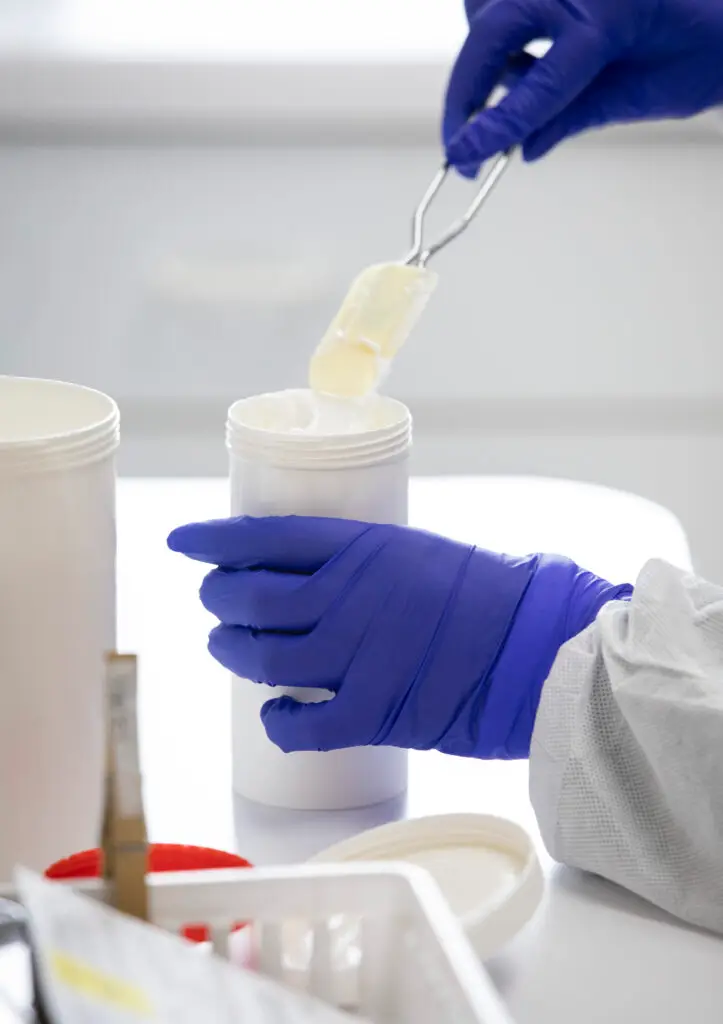
Customized Medication Support for Active Patients
Sports medicine compounding may be considered when a patient needs a medication tailored to their injury, activity level, body size, sensitivities, or treatment goals. Standard medications may not always account for the specific demands placed on athletes or active patients.
A provider may consider compounded sports medicine medications when a patient needs:
- A customized strength
- A topical or transdermal dosage form
- A preparation for localized application
- A medication without certain dyes, fillers, preservatives, or inactive ingredients
- A formulation that may be easier to use during recovery
- A preparation designed for a specific injury or affected area
- A dosage form that avoids swallowing tablets or capsules
- A combination preparation, when clinically appropriate and prescribed
Healthway prepares compounded medications only after receiving a valid prescription from a licensed healthcare provider.
Common Sports Medicine Concerns
Healthway Compounding Pharmacy may prepare provider-directed medications for sports medicine needs, such as:
- Sprains and strains
- Muscle soreness or cramps
- Joint discomfort
- Tendon-related discomfort
- Trigger point discomfort
- Carpal tunnel-related discomfort
- Blisters
- Calluses
- Athlete’s foot
- Nail fungus
- Dry or cracked skin
- Wounds or abrasions
- Fever blisters
- Hemorrhoid-related discomfort
- Friction irritation
- Other provider-directed activity-related concerns
Every injury and patient is different. The appropriate medication depends on the diagnosis, treatment plan, patient history, activity level, and provider’s recommendation.
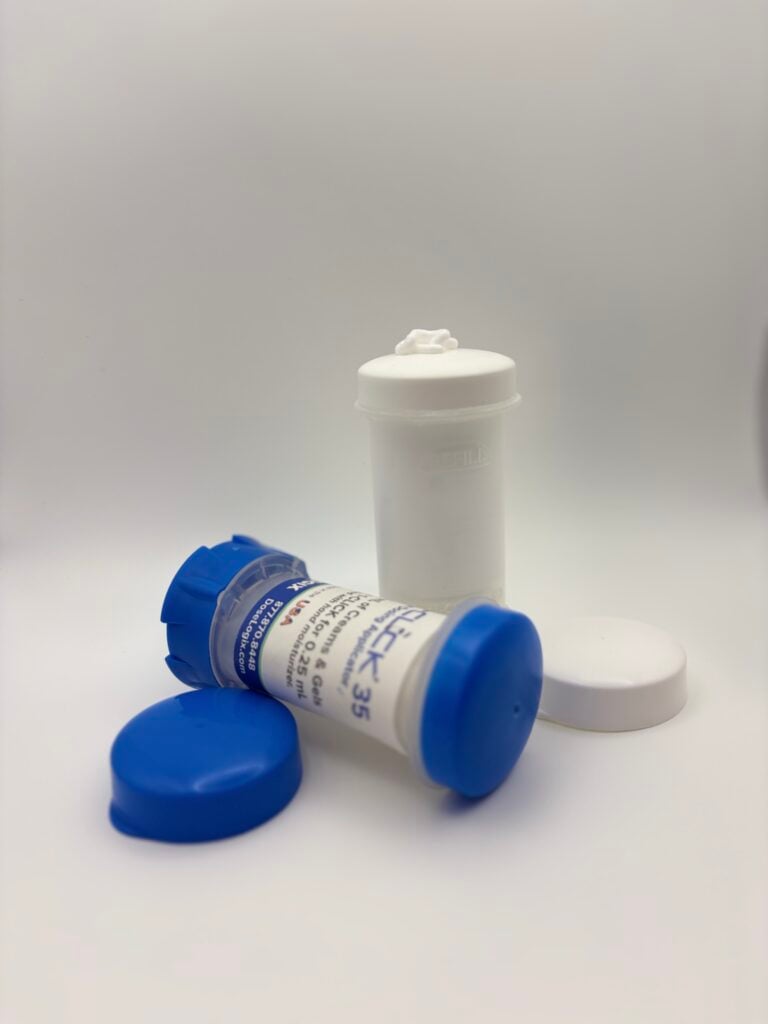
Topical and Transdermal Options
Topical and transdermal preparations are commonly used in sports medicine compounding because they allow medication to be applied directly to a targeted area. This may be helpful for patients who want to avoid certain issues associated with oral medications or who need localized support as part of their recovery plan.
Depending on the prescription, compounded sports medicine preparations may include:
- Topical creams
- Gels
- Ointments
- Transdermal preparations
- Roll-on applications
- Sprays
- Powders
- Patches, when appropriate
- Flexible collodion preparations
- Suppositories or rectal preparations, when prescribed
Healthway can work with providers to determine which dosage form best fits the affected area, the patient’s activity level, and the intended use.
Muscle, Joint, and Soft Tissue Support
Sports-related discomfort may involve muscles, joints, tendons, ligaments, or soft tissue. A provider may consider a compounded topical or transdermal medication when a customized strength, combination, or application method is needed.
These preparations may be considered for concerns such as:
- Sprains
- Muscle cramps
- Trigger points
- Tendon discomfort
- Joint discomfort
- Carpal tunnel-related symptoms
- Localized inflammation
- Post-activity soreness
Compounded medications may be used alongside broader provider-directed care, including rest, ice or heat, physical therapy, stretching, bracing, rehabilitation, or other treatment recommendations.
Skin, Blister, and Wound Support
Active patients may also experience skin-related concerns from friction, sweating, repetitive movement, footwear, equipment, or outdoor exposure. Compounding may allow providers to prescribe customized preparations for specific skin needs.
Examples may include:
- Flexible collodion preparations for blisters
- Protective ointments
- Moisturizing creams or lotions for dry skin
- Creams for calluses
- Antifungal powders or topical preparations
- Wound-support preparations
- Lip balms for fever blisters, with or without sunblock when appropriate
- Preparations for friction-related irritation
Patients should seek medical care for wounds, signs of infection, worsening symptoms, or injuries that do not improve.
Support for Recovery and Practical Use
Medication adherence can be easier when the dosage form fits the patient’s routine. For athletes and active patients, a preparation may need to be easy to apply, compatible with the affected area, and practical during recovery.
Healthway can collaborate with providers to discuss:
- Application area
- Desired dosage form
- Ingredient sensitivities
- Athletic or activity-related restrictions
- Storage and handling
- Refill timing
- Preparation timelines
- Patient administration instructions
For competitive athletes, medication ingredients should also be reviewed with the appropriate athletic organization, governing body, or healthcare provider to ensure compliance with applicable rules.
If you are dealing with a sports-related injury, activity-related discomfort, or recurring skin concern, talk with your healthcare provider about whether a compounded medication may be appropriate.
Talk With Healthway Compounding Pharmacy
Contact Healthway Compounding Pharmacy to learn more about sports medicine compounding or to ask how your provider can send a prescription.
If you are a provider, Healthway Compounding Pharmacy can work with your office to discuss prescription requirements, dosage forms, and formulation options for sports medicine care.
Frequently Asked Questions
What is sports medicine compounding?
Sports medicine compounding is the preparation of customized medications for activity-related injuries, discomfort, recovery needs, and skin concerns based on a licensed provider’s prescription. These preparations may include creams, gels, ointments, transdermal medications, powders, sprays, or other dosage forms.
Why would an athlete or active patient need a compounded medication?
A compounded medication may be considered when a patient needs a customized strength, a topical or transdermal option, a formulation without certain inactive ingredients, or a dosage form designed for a specific injury or treatment area.
Can compounded medications be used for sprains or muscle discomfort?
A provider may prescribe a compounded topical or transdermal preparation for certain types of muscle, joint, tendon, or soft tissue discomfort. The appropriate option depends on the diagnosis and provider’s treatment plan.
Can Healthway prepare medications for blisters or skin irritation?
When prescribed by a provider, Healthway may prepare customized options such as protective ointments, flexible collodion preparations, moisturizing creams, antifungal powders, or other topical preparations for activity-related skin concerns.
Are compounded sports medicine medications only for athletes?
No. Sports medicine compounding may also support active adults, physically demanding workers, recreational athletes, students, and others experiencing activity-related injuries or discomfort.
Should competitive athletes check medication rules before using a compounded medication?
Yes. Competitive athletes should review all medications and ingredients with their healthcare provider, athletic trainer, or governing organization to ensure they follow applicable rules and restrictions.